
Best Dog Food for Anal Gland Issues: Choose by Stool
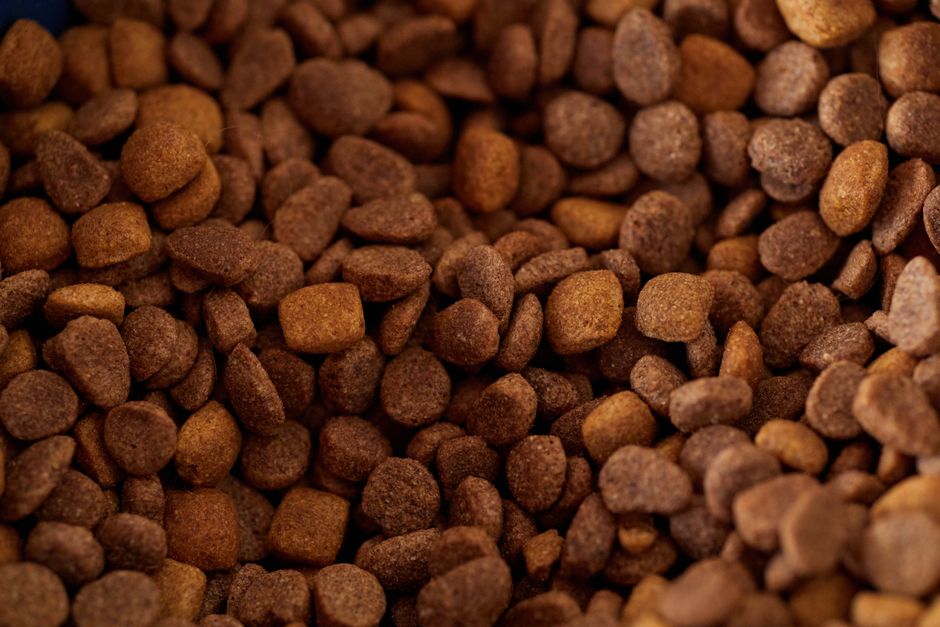
The best dog food for anal gland issues is a complete diet that helps your dog produce consistently formed stools and agrees with their digestion; no single formula suits every dog. Compare higher-fiber maintenance foods with sensitive-digestion formulas, and use veterinary diets when a veterinarian identifies a condition that calls for one. Scooting alone cannot diagnose gland disease, so persistent signs need an examination.
What dog food helps with anal gland problems and a sensitive stomach?
A food that supports formed stools without upsetting digestion is the practical starting point. The sources do not compare commercial brands, publish prices, or identify a universal winning formula. The useful comparison is between diet types and the dog's response.
A complete higher-fiber maintenance diet is worth discussing when stools are loose or lack bulk. Merck Veterinary Manual explains that supplemental dietary fiber can increase fecal bulk and help the sacs compress and empty during defecation. That mechanism does not prove that every high-fiber product will help every dog.
Sensitive-digestion formulas are a category to compare when a dog has digestive intolerance, but the provided research does not establish that this label predicts improvement in anal sac disease. Read the ingredient and fiber information the manufacturer publishes, then watch stool consistency and tolerance. A headline fiber number alone does not describe the mix of soluble and insoluble fibers or the effect in an individual dog.
Soluble and insoluble fibers can both appear in fiber products; the clinical trial by Salichs and colleagues tested a chew containing apple pectin and pumpkin alongside a probiotic, not a complete food or pumpkin by itself. The study therefore cannot tell readers which fiber type or food is best. It does show why products should be compared by their actual ingredients and evidence, not by a broad “anal gland” claim.
| Option | Who it suits | Cost | Key limitation |
|---|---|---|---|
| Complete higher-fiber maintenance diet | Dogs whose veterinarian agrees that added dietary fiber fits their stool and health picture | not published | No universal food or fiber prescription is established by the provided sources |
| Sensitive-digestion formula | Dogs whose digestion and stool tolerance are a concern | not published | “Sensitive digestion” does not establish a benefit for anal sac recurrence |
| Veterinary therapeutic or elimination diet | Dogs with a diagnosed condition or suspected food allergy under veterinary guidance | not published | An allergy trial must be controlled; changing ingredients on its own does not confirm allergy |
For suspected food allergy, a veterinary team may choose a complete, balanced hydrolyzed or novel-protein diet. VCA and the Canadian Academy of Veterinary Nutrition advise feeding an elimination diet exclusively for at least eight weeks; that interval is for allergy diagnosis, not a general timeline for ordinary food changes.
How do I stop my dog's glands from filling up?
You cannot reliably prevent filling through food alone; first establish why the glands are recurring. Most dogs empty their anal sacs through muscle contractions during bowel movements, and changes such as diarrhea or constipation can disrupt that process, according to VCA Animal Hospitals.
Use a gradual transition if a veterinarian agrees a food change makes sense. Keep other variables steady, including treats and supplements, and note what the dog eats, stool form, digestive signs, scooting, and licking. This gives the veterinarian a clearer comparison than changing food, adding pumpkin, and starting a supplement at once.
- Record the current food and the dog's usual stool pattern.
- Transition to the selected food gradually, following the veterinarian's advice.
- Track stools and symptoms while keeping other diet changes stable.
- Review persistent or recurring signs with the veterinary team rather than repeatedly switching formulas.
This is a tracking approach, not a source-established trial length: the research provided does not state how many days an ordinary food change needs before it can be judged. Small breeds are more predisposed to anal sac impaction and inflammation, and Merck notes obesity and reduced emptying during defecation as factors that can contribute to retention. These risks make an examination more useful than assuming the food is the cause.
A food-responsive stool issue is only one possibility. Scooting or licking can also reflect parasites, flea allergy, skin problems, irritation, tumors, fistulae, or infection. The survey and review by Corbee and colleagues stresses that clinical signs and rectal examination matter; scooting by itself is not diagnostic. Pain, swelling, blood, or pus calls for veterinary assessment.
Does pumpkin help dogs express glands?
Pumpkin can contribute fiber, but the available trial does not show that pumpkin alone expresses glands. Merck supports supplemental fiber as a way to increase fecal bulk; that is a general mechanism, not proof that pumpkin is the right amount or form for a particular dog.
In a randomized field trial, Salichs and colleagues enrolled 35 dogs with recurrent impaction: 22 received a fiber-and-probiotic chew for 90 days and 13 received no treatment. By day 120, manual expression had been required for 61.5% of untreated dogs and 19% of dogs receiving the chew; the difference was statistically significant. The product contained soluble and insoluble fiber, including apple pectin and pumpkin, so the result applies to the combined product, not pumpkin alone.
The study was small, and stool consistency was not directly assessed. Do not treat its result as a prescription for pumpkin, a complete food, or every dog with scooting. Adding a large amount of fiber suddenly can also change stool quality; if a veterinarian recommends a fiber addition, introduce it with guidance and track the result rather than layering several changes together.
How can I get my dog to express glands naturally?
Support normal bowel movements and seek diagnosis for recurring signs; do not try to force the glands to empty at home. Formed stools can support natural emptying during defecation, but impaction, infection, and abscess require different responses.
Merck Veterinary Manual says a digital rectal examination confirms anal sac impaction, infection, or abscess. Treatment depends on the finding: impaction may need manual expression, while infection or an abscess can require further veterinary treatment. Recurrent scooting is not a reason to assume the sacs simply need more fiber.
In a questionnaire-based survey, veterinarians estimated non-neoplastic anal sac disease incidence at 15.7% in dogs and 0.4% in cats; these are survey estimates, not population-wide surveillance figures. The same research describes other possible causes of scooting and licking. A veterinarian can separate a stool-related pattern from parasites, allergy, irritation, or another disease and decide whether professional expression is appropriate.
Frequently Asked Questions
Should I choose a high-fiber food or add fiber to my dog's current food?
Choose based on the dog's stool response and the reason for the problem. A complete higher-fiber food offers a consistent diet change, while supplemental fiber can increase fecal bulk; ask a veterinarian before adding it, especially if stools worsen or the dog has other symptoms.
How long should I try a new food before deciding whether it helps?
The provided sources do not set a general trial length for an ordinary food change to address stool quality or anal sac recurrence. Make the transition gradually, track stool and symptoms, and ask your veterinarian when to assess results; the eight-week minimum applies to a veterinarian-guided elimination diet for suspected food allergy.
What should I do if my dog's stools are firm but the glands still need expressing?
Firm stools do not rule out impaction or another cause of recurring signs. Have a veterinarian assess the dog and determine whether manual expression or treatment for infection, abscess, or another condition is needed.
Sources
Related guides

Which Small Dogs Can Stay Home Alone During a Workday?
Learn how to assess a small dog’s workday-alone tolerance, spot hidden distress, and plan realistic breaks, training, and support.

How Do I Choose an Online Bible Class?
Compare online Bible class formats, instructor access, workload, technology needs, and academic credit before you enroll.

Which Cruise Line and Ship Should a First-Time Solo Cruiser Choose?
Choose a first solo cruise with the right cabin, meetups, shared dining, and social atmosphere for how you want to travel.
Why Did My Cat Suddenly Stop Using the Litter Box?
Learn why a cat may avoid the litter box, which urinary signs need urgent care, and how to check box cleanliness, location, litter, and access.