
Best-Tasting Zero-Sugar Sodas: What to Buy and Why
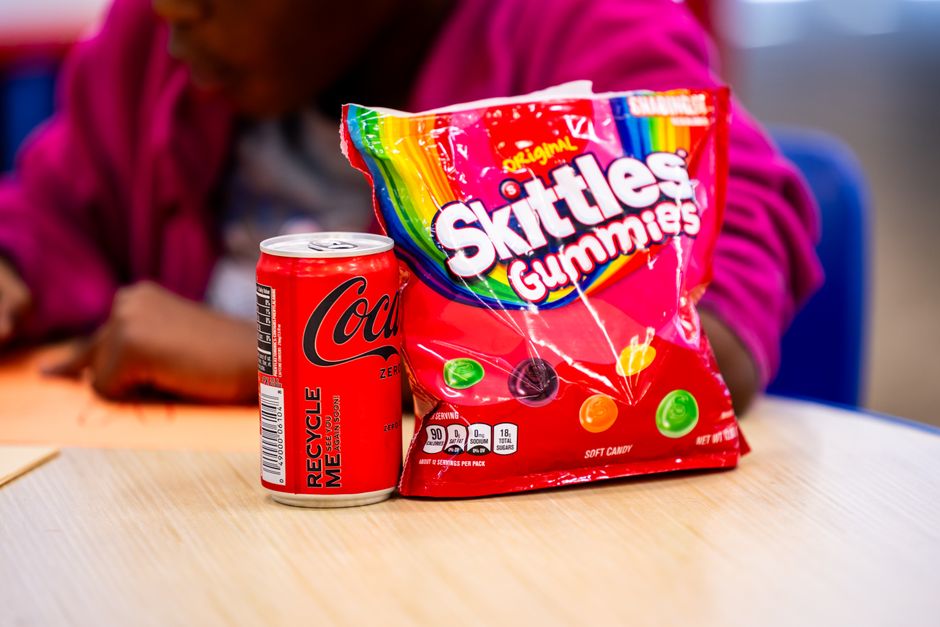
For a cola closest to the familiar full-sugar profile, start with Coca-Cola Zero Sugar; a 2024 taste test found it more interesting and closer to Coca-Cola Classic than Diet Coke, though not identical. For a non-cola with a stronger bite, try Dr Pepper Zero Sugar. Check the label for sweeteners and caffeine, then use package availability and your aftertaste preference to choose.
Which zero-sugar soda tastes most like the regular version?
Coca-Cola Zero Sugar is the clearest starting point if you want a zero-sugar cola that resembles regular Coca-Cola. In a 2024 blind head-to-head taste test, Uproxx’s writer chose it over Diet Coke, describing it as closer to Coca-Cola Classic while acknowledging that neither tasted identical. That is one tester’s impression, not a representative consumer ranking.
The practical distinction is the product name and formula: “Zero Sugar” is not simply another way to say “Diet.” For a quick comparison, taste Coke Zero beside the regular version you know, then ask whether the cola flavor feels familiar and whether the finish suits you. A preference for the full-sugar original does not guarantee a perfect match in a zero-sugar formula.
For another familiar cola, Pepsi Zero Sugar is listed by Pepsi as containing 0 calories and 0 grams of sugar per 12-fluid-ounce serving. Pepsi’s product page lists common package sizes from 7.5-ounce cans to 2-liter bottles. Coca-Cola lists the same 0-calorie, 0-gram-of-sugar figures for Coca-Cola Zero Sugar per 12-ounce serving, plus 34 milligrams of caffeine. Those label facts help with selection, but they do not tell you which flavor you will prefer.
What is the best-tasting zero-sugar soda besides Coke Zero and Pepsi Zero?
Dr Pepper Zero Sugar is a strong non-cola candidate if you want a pronounced bite and a less lingering finish. Uproxx’s 2024 taste test favored it over Diet Dr Pepper for those qualities. Treat that as a useful tasting lead rather than a universal verdict: the article reports one writer’s impressions.
If you want a caffeine-free non-cola, Sprite Zero Sugar is a straightforward option. Sprite confirms that all its variants, including Sprite Zero Sugar, are caffeine-free, and says Sprite is available nationwide at grocery and convenience stores, vending machines, restaurants, and online retailers. That broad availability makes it a practical pick when you do not want to hunt for a specialty product.
Use this quick decision guide: choose Coke Zero to test a cola closer to Coca-Cola Classic; try Dr Pepper Zero Sugar for a non-cola taste-test pick; choose Sprite Zero Sugar when you want a widely available, caffeine-free non-cola. For exact flavor comparisons across every brand, the available research does not provide a standardized ranking.
| Option | Who it suits | Cost | Key limitation |
|---|---|---|---|
| Coca-Cola Zero Sugar | Shoppers seeking a cola described in a taste test as closer to Coca-Cola Classic than Diet Coke | not published | Not identical to regular Coca-Cola; taste-test result is one writer’s impression |
| Pepsi Zero Sugar | Shoppers seeking a zero-sugar Pepsi cola in multiple listed package sizes | not published | Formula and packaging may change; check the current package |
| Dr Pepper Zero Sugar | Shoppers seeking the non-cola option favored for stronger bite in one taste test | not published | Evidence is a single tester’s subjective impression |
| Sprite Zero Sugar | Shoppers seeking a caffeine-free non-cola described as available nationwide | not published | Availability of a particular package at a specific store is not published |
Which zero-sugar sodas have the least artificial-sweetener aftertaste?
No source here ranks finished branded sodas by aftertaste, so there is no evidence-based winner. A 2019 sensory study indexed by PubMed tested sweeteners in samples—not commercial sodas—and found lasting bitter, metallic, or chemical side tastes with acesulfame-K, stevia (rebaudioside-A), and monk fruit. Aspartame and sucralose kept a largely sweet profile, although participants also detected some side tastes and lingering sweetness.
That distinction matters when you shop. The study can help explain why different sweeteners may leave different finishes, but a soda’s full formula can affect its taste. Coca-Cola lists aspartame and acesulfame potassium in Coca-Cola Zero Sugar and also lists stevia extract among its ingredients. The ingredient label is the concrete check for the product in your hand.
The FDA explains that high-intensity sweeteners are many times sweeter than table sugar, so smaller quantities can provide comparable sweetness while contributing few or no calories. It lists six approved high-intensity sweeteners as food additives in the United States, and notes that certain steviol glycosides and monk-fruit extracts have GRAS notices. The FDA says approved sweeteners are safe for the general population under specified conditions of use; people with PKU should avoid or restrict aspartame because it contains phenylalanine.
For a practical test, buy a single serving before committing to a multipack. Compare the first sip and the finish, and check the ingredient list if a lingering taste is the deciding factor. Your own response matters more than a sweetener-only study when the question is how a finished soda tastes to you.
Is Coke Zero or Pepsi Zero better?
Neither is a clear winner for every shopper: Coke Zero has a cited taste-test edge for resemblance to Coca-Cola Classic, while Pepsi Zero Sugar has official product information confirming its zero-sugar status and package options. The available sources do not provide a direct, controlled comparison between these two products, so choose by flavor preference and label details.
Coca-Cola lists Coca-Cola Zero Sugar at 0 calories and 0 grams of sugar per 12-ounce serving, with 34 milligrams of caffeine. Pepsi lists Pepsi Zero Sugar at 0 calories and 0 grams of sugar per 12-ounce serving; its product facts page lists 24 milligrams of caffeine in a 7.5-ounce can. Since those figures use different serving sizes, compare labels on the same volume before drawing a caffeine comparison.
Both brands list aspartame and acesulfame potassium in their formulas. Pepsi’s product facts page cautions that formulation and packaging may change and recommends checking the package for current information. Coca-Cola lists several package sizes, from 7.5-ounce cans to 2-liter bottles; Pepsi also lists sizes ranging from cans to larger bottles. Availability at a particular nearby store is not established by these product listings.
Make the choice in three steps: pick the brand whose regular cola you prefer, check the package for the exact sweeteners and caffeine amount, then buy a small format if available before choosing a larger bottle. The label settles the factual questions; a sip settles the flavor question.
Frequently Asked Questions
Which zero-sugar sodas are caffeine-free?
Sprite Zero Sugar is caffeine-free, according to Sprite’s official product page. Coca-Cola also lists Coca-Cola Zero Sugar Caffeine Free as an option. Check the package because formulations and product availability can change.
Does stevia-sweetened soda taste different from aspartame- or sucralose-sweetened soda?
It can. A 2019 sensory study found prominent, lasting bitter, metallic, or chemical side tastes for stevia in its tested samples, while aspartame and sucralose retained largely sweet profiles with some side tastes and lingering sweetness. The study tested sweeteners, not finished sodas, so it cannot predict exactly how a particular brand will taste.
Which zero-sugar soda is worth buying if I dislike Diet Coke?
Coca-Cola Zero Sugar is a sensible cola to try first: a 2024 blind taste test preferred it to Diet Coke and described it as closer to Coca-Cola Classic, while noting it was not identical. If you want a non-cola, the same test favored Dr Pepper Zero Sugar over Diet Dr Pepper.
Sources
Related guides
What Snacks Are Good for Diabetes and What Treats Low Blood Sugar?
A practical guide to everyday diabetes snacks, label reading, and fast-acting carbohydrate options for low blood sugar.
How Can I Make Texas Trash Dip Ahead and Keep It Creamy for a Crowd?
Make Texas trash dip ahead, heat it safely, and keep it creamy in a slow cooker for game-day guests.

How Do I Make Homemade Snack Mix That Stays Crisp?
A practical homemade snack-mix formula with crispness, storage, dairy-free swaps, gift labels, and Chex-based timing guidance.
How Can I Safely Make 1950s Recipes Today?
A practical guide to cooking 1950s recipes with current food-safety rules, tested canning guidance, and sensible ingredient updates.