
What Snacks Are Good for Diabetes and What Treats Low Blood Sugar?
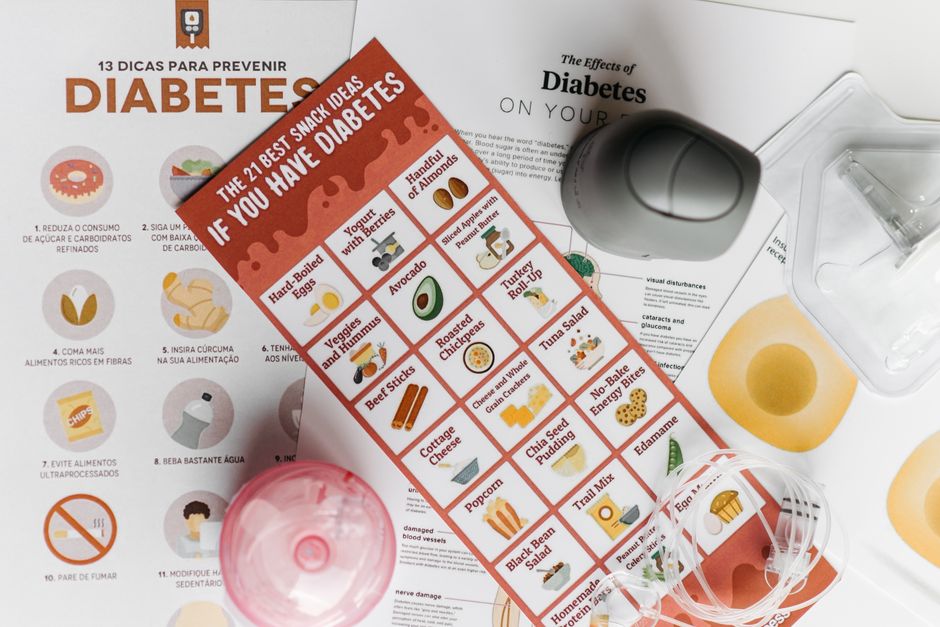
For everyday snacking, choose a measured carbohydrate paired with protein, fat, or fiber, such as plain Greek yogurt with berries and nuts or an apple with nut butter. For low blood sugar, use fast-acting carbohydrate first, not a filling snack: the American Diabetes Association’s guidance accessed in 2026 uses the 15-15 rule for readings at or below 70 mg/dL.
What can I snack on without raising my blood sugar?
The practical answer is not a magic food. It is a snack built for staying power: check the portion, count the total carbohydrate, then pair that carbohydrate with protein, fat, or fiber rather than treating every snack as a quick sugar delivery system.
The American Diabetes Association’s carbohydrate-counting guidance accessed in 2026 says there is no universal ideal carbohydrate amount for a meal or snack. Needs change with body size, activity, hunger, medications, and an individualized care plan. That removes a common trap: copying a precise snack target from someone else’s plan and treating it as your own.
Use this simple filter at the shelf: portion first, total carbohydrate second, supporting nutrients third. The ADA’s label-reading guidance accessed in 2026 says total carbohydrate includes sugars, starches, and fiber. A package may look like one snack while containing more than one labeled serving. That is where the math changes without the food changing.
| Everyday snack option | What it combines | Carbohydrate estimate from ADA Food Hub guidance accessed in 2026 |
|---|---|---|
| Plain Greek yogurt with cucumber | Protein-focused option with a vegetable | About 5 grams |
| Plain Greek yogurt, berries or fruit, and chopped nuts | Carbohydrate, protein, and fat | About 10 grams |
| Air-popped popcorn with olive oil | Portioned carbohydrate with fat | About 12 grams |
| Roasted chickpeas | Carbohydrate plus fiber and protein | About 16 to 20 grams |
| Half an apple with nut butter | Fruit paired with fat and protein | About 19 grams |
These are examples, not prescriptions. The American Diabetes Association Diabetes Food Hub guidance accessed in 2026 labels its calorie and carbohydrate amounts as approximate. The useful move is the pattern: choose a portion you can identify, then add an ingredient that makes the snack more substantial.
Run the label drill before buying a multipack. The U.S. Food and Drug Administration guidance accessed in 2026 states that Nutrition Facts values apply to the listed serving size, not necessarily the whole package. Compare total carbohydrate, fiber, added sugars, and sodium on that same serving basis. The FDA also explains that added sugars sit within total sugars, so a yogurt’s total sugar number does not by itself reveal how much was added during processing.
What should I eat when my blood sugar is low?
When blood glucose is low, use a measured source of fast-acting carbohydrate first, then recheck rather than reaching for the most filling snack nearby.
The National Institute of Diabetes and Digestive and Kidney Diseases guidance accessed in 2026 describes low blood glucose for many people with diabetes as below 70 mg/dL, while noting that individual targets can differ. Its process is direct: take 15 to 20 grams of glucose or carbohydrate right away, wait 15 minutes, and check again; repeat if the reading is still low.
That is a treatment workflow, not a snack preference. NIDDK examples include 4 glucose tablets, 1 tube of glucose gel, 1/2 cup or 4 ounces of juice, 1/2 can or 4 to 6 ounces of regular soda, or 1 tablespoon of sugar, honey, or corn syrup. The ADA guidance accessed in 2026 similarly names glucose tablets, gel, juice, regular soda, sugar, corn syrup, and label-counted hard candy as fast-acting options.
Here is the distinction to keep on the fridge: fast first, sustaining second. After glucose rises above 70 mg/dL or a continuous glucose monitor shows an upward trend, the ADA says a protein-and-carbohydrate snack, such as cheese crackers, can help when a meal is not soon. NIDDK likewise advises a snack such as crackers or fruit if the next meal is more than 1 hour away after treatment.
A bedside or bag setup should therefore separate the jobs. Keep a measured rapid option where it is easy to reach, and keep everyday snacks for the next stage. A protein bar, trail mix, chocolate, or peanut-butter snack may be useful for fullness, but it is the wrong lead actor during a low.
Are nuts, fruit, yogurt, and popcorn good snacks for diabetes?
Nuts, fruit, yogurt, and popcorn can fit as everyday snacks when the serving and total carbohydrate suit an individual plan; they are not interchangeable with rapid hypoglycemia treatment.
Nuts bring fat and some protein, making them a useful pairing with fruit or yogurt. The ADA Food Hub example of half a medium apple with 1 tablespoon of nut butter contains about 19 grams of carbohydrate in guidance accessed in 2026. That combination is designed for a steadier snack role, not for speed.
Fruit has carbohydrate, so its portion matters, but it can also make a portable pairing when combined with nut butter or yogurt. Plain Greek yogurt with a small amount of fruit and nuts is another tactical option because it makes the carbohydrate source visible instead of hiding it inside a sweetened product. For popcorn, the ADA Food Hub estimates 2 cups of air-popped popcorn with 1 teaspoon of olive oil at about 12 grams of carbohydrate in guidance accessed in 2026.
The weak question is, “Is this food good or bad?” The stronger question is, “What job does this serving do?” A candy-like protein bar may be convenient, but its label can show a different carbohydrate, fiber, added-sugar, and sodium picture than expected. The ADA’s label guidance accessed in 2026 calls a food with at least 5 grams of fiber per serving high fiber and 2.5 grams or more a good source; it also defines low sodium as 140 mg or less per serving. Those figures are comparison tools, not automatic approval stamps.
Finish with one small drill this week: choose one regular snack and one rapid-treatment option, read their serving sizes side by side, and label each by purpose. “Everyday fuel” and “fast treatment” are clearer than guessing under pressure.
Frequently Asked Questions
How many carbs should a diabetes snack have?
There is no universal carbohydrate target for a diabetes snack. The American Diabetes Association guidance accessed in 2026 describes a carbohydrate choice as about 15 grams, but individual needs depend on factors including hunger, activity, medications, and an individualized care plan. Use the Nutrition Facts serving size and total carbohydrate line as the starting point for comparing options.
Why is a protein bar not always a good snack for low blood sugar?
A protein bar can be an everyday snack, but it is not automatically a fast treatment for low blood sugar. The American Diabetes Association guidance accessed in 2026 explains that higher protein, fat, and fiber slow food processing, which can delay the glucose rise needed during a low. For a reading at or below 70 mg/dL, use a measured fast-acting carbohydrate first, then consider a sustaining snack if a meal is not soon.
Sources
- National Institute of Diabetes and Digestive and Kidney Diseases: Low Blood Glucose
- American Diabetes Association: Hypoglycemia Symptoms and Treatment
- American Diabetes Association: Carb Counting and Diabetes
- American Diabetes Association: Making Sense of Food Labels
- U.S. Food and Drug Administration: How to Understand and Use the Nutrition Facts Label
- American Diabetes Association Diabetes Food Hub: Simple Snack Ideas
Disclaimer: This article is for general information only and is not medical advice. It is not a substitute for diagnosis or treatment by a qualified healthcare professional. Always speak to your doctor before acting on anything you read here.