
How Do Chaplains and Mental Health Professionals Work Together?
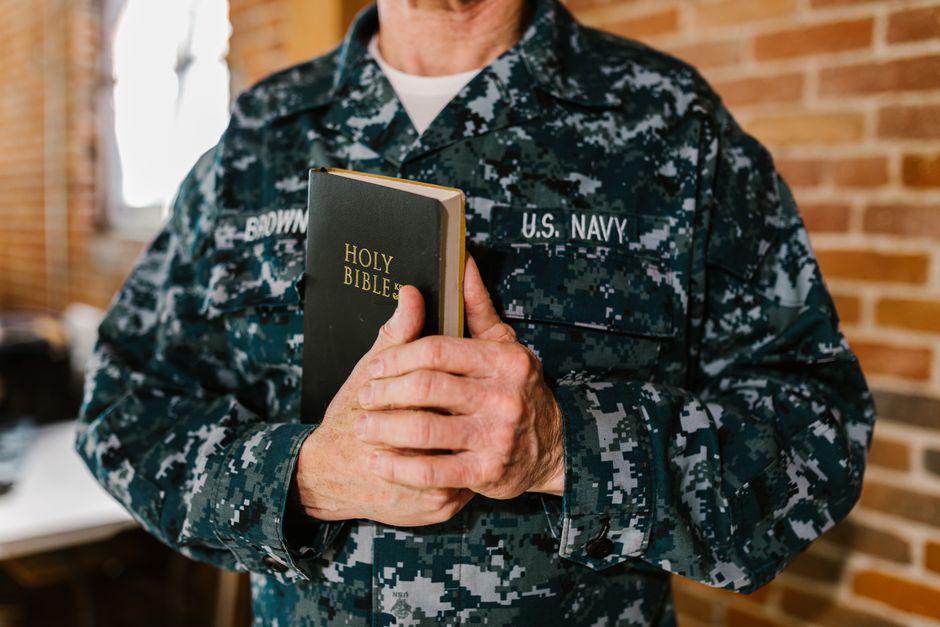
Chaplains can offer person-centred listening, spiritual and religious support, and help with distress, grief, meaning, and connection. Clinical assessment and psychotherapy belong with professionals qualified and licensed to provide them. Good chaplaincy respects the person’s wishes, keeps clear boundaries, coordinates with the care team when appropriate, and refers clinical needs to licensed providers.
How is a chaplain different from a psychologist or therapist?
A chaplain focuses on pastoral, spiritual, religious, and existential concerns, while a psychologist or therapist provides clinical mental-health care within their education, training, and license. The roles can support the same person, but they are not interchangeable.
The NHS England 2023 chaplaincy guidance describes chaplains’ work as promoting pastoral, spiritual, and religious wellbeing through compassionate, person-centred listening, including during distressing or traumatic situations. A chaplain may help someone explore grief, guilt, meaning, beliefs, or religious practices. In the U.S. Department of Veterans Affairs, chaplain services may include listening, support with grief and decision-making, and prayer or meditation when wanted.
Psychotherapy is a clinical service. The American Psychological Association explains that different professionals—including psychologists, psychiatrists, social workers, licensed professional clinical counselors, marriage and family therapists, pastoral counselors, and psychiatric nurse practitioners—may provide psychotherapy, with different education and training. The guide notes that these professionals must have a state license to practice. A chaplain’s spiritual-care role, by itself, does not establish that clinical qualification.
Here is the practical distinction: a chaplain can ask, “What part of this feels hardest spiritually or personally?” A licensed therapist can assess mental-health symptoms and provide treatment within their professional scope. A person may benefit from both, with each provider clear about their part.
Can chaplains provide mental health counseling?
Chaplains can provide counselling or therapy only when they are qualified to do so; otherwise, they should refer the person onward. This boundary makes the support more reliable, not less compassionate.
The NHS England guidance is explicit: “Only chaplains who are qualified counsellors or therapists are permitted to conduct counselling/therapy.” It also recommends discussing therapy decisions with the treating multidisciplinary team so roles are clear and interventions do not overlap. The Association of Professional Chaplains likewise defines scope through competence, education, training, laws, regulations, and organizational rules.
In practice, start by naming the concern and the role. A chaplain might say, “I can stay with you and talk through the spiritual questions this raises. For treatment of the anxiety you’re describing, let’s connect you with a licensed clinician.” If the chaplain holds an additional counselling qualification, the relevant limits and organizational requirements still apply.
Confidentiality and records also need clear handling. The Association’s standards call for respect for confidentiality under applicable laws and organizational rules, collaboration within scope, and documentation relevant to the person’s wellbeing. In NHS settings, guidance calls for clear, accurate records that support continuity and coordination. The person should understand what will be recorded or shared and why, subject to the applicable policies and laws.
How do chaplains support someone with depression or trauma?
Chaplains can support someone facing depression or trauma by listening, reducing isolation, attending to spiritual concerns, and connecting with the care team—while leaving clinical assessment and treatment to qualified providers.
The NHS guidance says mental-health chaplains can address pastoral, spiritual, and religious concerns, support families and carers, and contribute to recovery and reduced isolation. The VA’s National Center for PTSD describes spirituality as a possible source of comfort, meaning, and support after trauma, while also noting that spiritual struggle has been linked with poorer mental health after trauma. The VA sums up the relationship this way: “Spirituality and post-trauma mental health may influence each other, in both positive and negative ways.”
That is why consent comes first. A chaplain or clinician can ask, “Would you like your faith or spirituality to be part of this support, or would you prefer we leave it out?” The VA recommends letting the person’s own worldview and preferences guide integration. When spiritual concerns are primary, it recommends collaboration or referral to clergy or chaplains; examples include asking permission to involve clergy and obtaining a release before collaboration.
For a chaplain, the working sequence is straightforward: listen without presuming what a belief means, clarify what support the person wants, and coordinate with the clinical team when appropriate. If a person describes needs that call for therapy, the chaplain can say, “I can support you with the spiritual side, and I’d like to help you reach a licensed provider for the clinical care.” NHS guidance also calls for relevant risk training, professional boundaries, and regular supervision for mental-health chaplains.
The VA describes chaplain visits as the Veteran’s choice and notes that chaplains can participate in care rounds, document spiritual-care interventions, and connect people with internal or external resources. For the person receiving care, that can mean spiritual support alongside—not in place of—the clinical plan.
Frequently Asked Questions
When should a chaplain refer someone to a licensed therapist?
A chaplain should arrange an onward referral when the person needs counselling or therapy and the chaplain is not qualified to provide it. Referral is also appropriate when clinical concerns are beyond the chaplain’s competence or scope. In a care setting, the chaplain can discuss roles with the treating team and help connect the person to suitable support.
What boundaries should chaplains keep when offering emotional support?
Chaplains should work within their competence, training, applicable rules, and organizational policies. They should respect confidentiality, keep clear and accurate records where required, and coordinate with other providers without duplicating clinical treatment. They should ask before bringing religion into support or involving clergy, and use supervision and referral when needs exceed their role.
Before a conversation ends, a useful next step is to ask: “What support would you like from me, and what would you like help connecting with?” That question keeps the person’s preferences in view and makes the handoff clear.
Sources
- NHS England, NHS chaplaincy guidelines
- U.S. Department of Veterans Affairs, National Center for PTSD
- Association of Professional Chaplains, Standards of Practice for Professional Chaplains
- U.S. Department of Veterans Affairs, National VA Chaplain Service
- American Psychological Association, Psychologists, Psychiatrists and Social Workers: How Are They Different?
Related guides
Do You Need a License to Be a Chaplain?
Learn how chaplain licensure differs from professional certification, and how employer requirements vary across federal, VA, hospice, and other roles.