
Is Drinking Coffee Before Breakfast Bad for You?

For most people, coffee before breakfast is not automatically harmful, but it can worsen reflux, nausea, jitters, or appetite changes in people who are sensitive to caffeine or coffee. Evidence on blood sugar is mixed and depends on the study conditions. If symptoms follow your morning cup, try water first, coffee with food, or a smaller serving, then compare how you feel.
Is drinking coffee on an empty stomach bad for you?
No: the available evidence does not show that coffee on an empty stomach is harmful for everyone. The useful question is whether your own routine brings on symptoms, and which part of the routine—coffee, caffeine, timing, or what you eat—may be involved.
Blood-sugar findings need context. In a randomized study of 29 healthy adults, University of Bath researchers found that strong black coffee consumed 30 minutes before a sugary breakfast drink after a night of disrupted sleep raised the glucose response by about 50% compared with the drink without preceding coffee. The study tested a specific coffee-and-sugary-drink protocol; it does not prove that coffee before breakfast causes lasting blood-sugar problems for everyone. The researchers also found that one night of fragmented sleep alone did not worsen the participants’ breakfast glucose or insulin responses compared with normal sleep.
A separate randomized crossover study of 33 healthy volunteers, published in Metabolism and indexed by PubMed, compared coffee and water served with a standardized meal. Coffee produced a greater post-meal glucose response than water and delayed the rise in insulin and the decline in glucose from peak levels in that study sample. The authors reported that the acute response could vary by sex and body-mass-index category and called for more research. Taken together, these studies show that coffee can affect short-term glucose measurements in particular settings—not that one breakfast rule applies to everybody.
Practical move: keep your usual coffee and breakfast details consistent, then change one thing at a time. Try water first on one morning, or have the same coffee with food on another. Record symptoms and how you feel rather than assuming a single difference proves a cause.
Can morning coffee cause heartburn or nausea?
Yes, coffee can be linked to heartburn or other digestive symptoms in some people, but it is not a guaranteed effect of drinking it before food. The National Institute of Diabetes and Digestive and Kidney Diseases (NIDDK) lists coffee and other caffeine sources among items commonly linked to GERD symptoms for some people. It recommends discussing possible personal triggers with a doctor; reducing or avoiding a suspected trigger can help determine whether symptoms improve.
Caffeine is not the whole explanation. A study of normal subjects published in the New England Journal of Medicine and indexed by PubMed found that both regular and decaffeinated coffee stimulated gastric acid secretion. Caffeine alone produced a lower maximal acid response than either type of coffee. That distinction matters if you are thinking of switching to decaf: it reduces caffeine exposure, but the study does not support assuming that decaffeinated coffee removes every coffee-related digestive effect.
Try a simple comparison if symptoms are mild and occasional: note whether they happen after coffee alone, after coffee with food, or after a different coffee. Do not treat a product label such as “low acid” as proof that it will solve symptoms—the research sources here do not establish that outcome. If symptoms persist, are troublesome, or you suspect reflux, discuss the pattern with a healthcare professional instead of repeatedly experimenting without guidance.
Meal timing can matter for people with nighttime reflux. NIDDK says people whose GERD symptoms occur at night or when lying down may benefit from finishing meals at least three hours before lying down or going to bed. That guidance addresses meal timing around lying down, not a rule that everyone must eat before morning coffee.
Does coffee before breakfast make anxiety or jitters worse?
It can for some people, particularly those who are sensitive to caffeine; the evidence provided does not show that an empty stomach alone is the cause. The U.S. Food and Drug Administration (FDA) lists anxiety, jitters, upset stomach, and nausea among signs of consuming too much caffeine. The FDA also emphasizes that people vary in caffeine sensitivity and how quickly they eliminate it.
Serving size is one practical factor to check. The FDA says a 12-fluid-ounce serving of regular brewed coffee typically contains 113–247 milligrams of caffeine, with the amount varying by product and serving. The FDA describes 400 milligrams per day as an amount not generally associated with negative effects for most adults, while noting that individual sensitivity varies. These figures describe general guidance, not a personal target or guarantee that a particular amount will feel comfortable.
If your morning cup is followed by a shaky, wired, or unsettled feeling, test a smaller serving or a lower-caffeine option, and compare coffee with food against coffee alone. Change just one variable at a time. For example, keep the amount the same and add breakfast first; on a separate day, keep the food routine the same and reduce the serving. That gives you a clearer signal than changing coffee type, amount, and breakfast all at once.
Use a short log: write down what and how much you drank, whether you ate, and when symptoms appeared. A repeatable pattern is more useful than a broad rule about “empty stomach” coffee. If anxiety or digestive symptoms persist or interfere with daily life, seek medical advice; the available evidence cannot diagnose their cause for an individual.
Frequently Asked Questions
Should I drink water or eat before my morning coffee?
There is no universal requirement to eat or drink water before coffee. If coffee on its own seems to trigger discomfort or jitters, try water first or have coffee with food and compare your symptoms.
Can coffee on an empty stomach affect blood sugar or energy later?
Research found different acute blood-glucose responses under specific conditions, including coffee before a sugary breakfast drink after disrupted sleep and coffee served with a standardized meal. These findings do not establish a lasting blood-sugar problem for everyone, and the sources do not determine how an individual’s energy will change later.
Does adding milk or eating food reduce coffee-related stomach discomfort?
The sources provided do not establish that milk reliably prevents coffee-related discomfort. Eating with coffee is a practical variable to test, but effects can differ; coffee can stimulate stomach acid even when decaffeinated.
Sources
- University of Bath
- National Institute of Diabetes and Digestive and Kidney Diseases
- U.S. Food and Drug Administration
- Metabolism randomized crossover study, indexed by PubMed
- New England Journal of Medicine study, indexed by PubMed
Disclaimer: This article is for general information only and is not medical advice. It is not a substitute for diagnosis or treatment by a qualified healthcare professional. Always speak to your doctor before acting on anything you read here.
Related guides
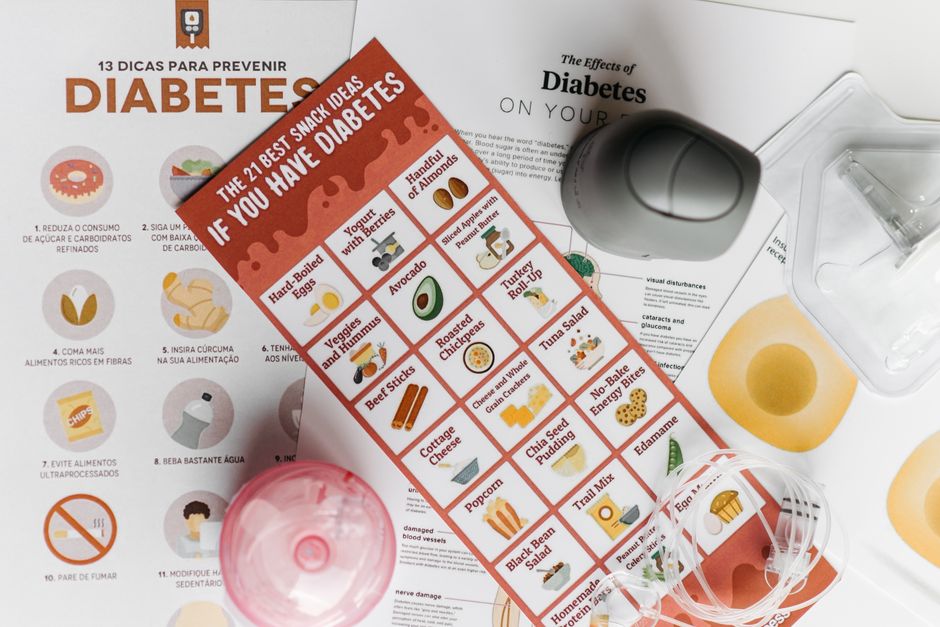
What Snacks Are Good for Diabetes and What Treats Low Blood Sugar?
A practical guide to everyday diabetes snacks, label reading, and fast-acting carbohydrate options for low blood sugar.

How Can I Lower LDL Cholesterol With Food Without Fiber Discomfort?
A practical food-first plan for lowering LDL with fat swaps, soluble fiber, gradual bean and oat additions, and psyllium guidance.

How Should I Time Food and Medication With Levothyroxine?
A practical guide to timing levothyroxine, coffee, meals, calcium, iron, and antacids while managing weight realistically.