
What Is the 7 Day Weight Loss Cabbage Soup Plan?
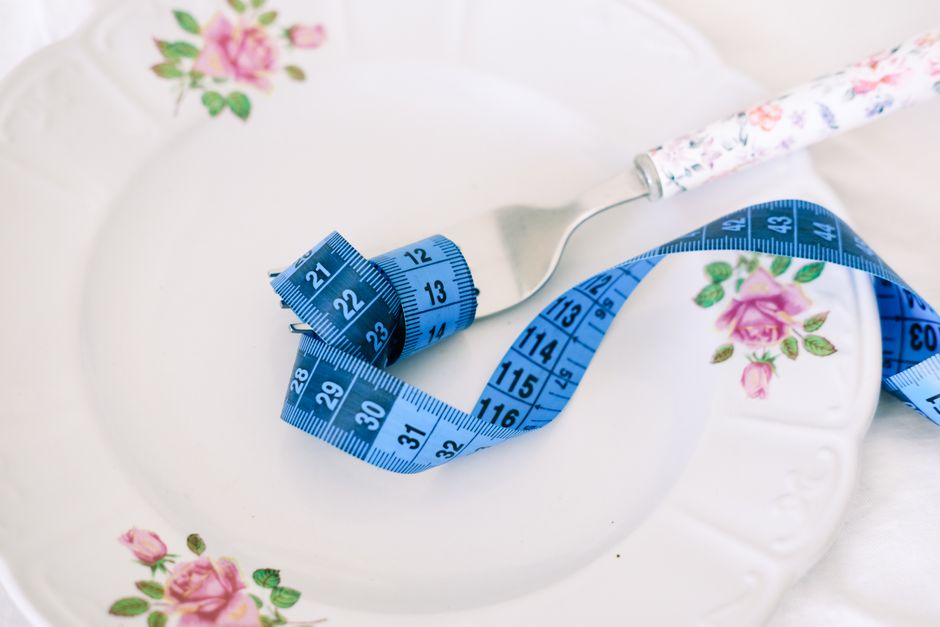
The 7 day weight loss cabbage soup plan pairs soup with different foods each day, but it is a restrictive short-term diet, not a proven way to lose a predictable amount of body fat. A review found no randomized clinical trials establishing its claimed results. Any fast scale drop can include water and glycogen changes; a balanced, gradual approach is more consistent with medical guidance.
How much weight can I lose in a week on the cabbage soup diet?
There is no reliable, cabbage-soup-specific number for how much weight a person will lose in a week. Results vary, and the scale can move for reasons besides fat loss.
Mayo Clinic’s weight-loss guidance suggests aiming for about 0.5 to 2 pounds (0.2 to 0.9 kilograms) per week, according to its undated guidance page (accessed 2026). That is a general rate, not a forecast for this diet. The National Heart, Lung, and Blood Institute (NHLBI) also describes 1–2 pounds per week as a reasonable and safe rate in its guide, published in 2006.
Early scale changes can be misleading. A 1992 paper indexed by PubMed explains that glycogen is stored with roughly three to four parts water. Restrictive eating can alter glycogen and its associated water, so an early drop—or a rise when usual eating resumes—does not map neatly to body-fat change. The paper studied dieting and weight measurement generally, not the cabbage soup diet itself.
Does the 7 day cabbage soup diet really work?
The 7 day cabbage soup diet may reduce scale weight for some people during the week, but its effectiveness beyond severe calorie restriction has not been established. The peer-reviewed review in Functional Foods in Health and Disease reported in 2017 that its literature review found no randomized clinical trials of the diet.
The same review says typical versions can provide fewer than 1,000 calories on the first three days, around 1,000 or slightly more on the fourth and seventh days, and more than 1,200 on the fifth and sixth days. Those estimates underscore the central trade-off: a rigid menu may sharply limit intake, but a short-term scale change does not prove the plan causes lasting fat loss or works better than another equally restrictive diet.
Mayo Clinic cautions that severely cutting calories or eliminating whole food groups is risky, and that weight lost on restrictive diets may return when previous habits resume. Its News Network article describes drastic diets such as the cabbage soup diet as unsustainable. The more useful test is whether an eating pattern can provide variety and be maintained beyond one week.
What do you eat each day on the 7-day cabbage soup diet?
A common seven-day schedule pairs cabbage soup with a different set of foods each day. The review in Functional Foods in Health and Disease lists this typical pattern, while noting that versions vary:
| Day | Typical foods alongside soup |
|---|---|
| 1 | Fruit |
| 2 | Vegetables |
| 3 | Fruit and vegetables |
| 4 | Skim milk and bananas |
| 5 | Tomatoes and beef |
| 6 | Beef and vegetables |
| 7 | Brown rice and sugar-free fruit juice |
This is a description of a traditional schedule, not an individualized nutrition prescription. It offers limited flexibility and does not ensure that the overall diet is suitable for a particular person. NHLBI’s 2006 guide describes a balanced eating pattern more broadly: fruit, vegetables, whole grains, low-fat dairy, and lean protein such as beans, eggs, fish, and poultry.
For practical preparation, make one pot of soup and portion it for convenient meals, but keep ingredients and portions consistent with the recipe rather than treating soup as the only food. If a listed food does not suit your needs, the schedule does not supply a validated substitute; a healthcare professional can help assess an appropriate alternative.
What is an easy cabbage soup recipe for the seven-day plan?
An easy version uses cabbage, other vegetables, broth, and seasonings, cooked together until tender. The supplied research describes the diet’s menus but does not validate a particular recipe or ingredient quantities, so the following is a practical cooking template—not a clinically tested formula or a guaranteed weight-loss method.
- Chop cabbage, onion, celery, carrots, and tomatoes.
- Add the vegetables to a pot with broth and enough water to cover them. Season with herbs, pepper, or other preferred seasonings.
- Bring the pot to a boil, then simmer until the vegetables are tender. Adjust seasoning to taste.
- Cool and refrigerate portions promptly; reheat a portion when needed. Prepare only what can be stored and used safely.
For a batch-prep approach, wash and chop the vegetables together, then cook a pot for several meals. Frozen vegetables can be used where convenient. Keep the soup as one component of meals rather than assuming a single recipe makes a restrictive plan nutritionally complete; the review’s description of low intake on some days is a reason to pay attention to how the plan affects energy and wellbeing.
What safety issues and symptoms should you watch for?
Restrictive menus can make it difficult to maintain a varied intake, and Mayo Clinic warns against severely cutting calories or eliminating entire food groups. The review’s estimates place some versions below 1,000 calories on Days 1–3. Fatigue, dizziness, or digestive discomfort are reasons to pause and seek guidance rather than pushing through a rigid schedule.
Mayo Clinic advises discussing a weight-loss plan with a healthcare professional, especially when personal health conditions or medicines may affect what is appropriate. That conversation is more useful before starting than after symptoms appear. Describe the proposed menu, any symptoms, and relevant health conditions or medicines so the professional can assess the situation.
How should you eat after the week ends?
Transition back to regular, varied meals instead of treating the end of the week as a return to previous eating habits. A practical meal can combine vegetables or fruit, a whole grain, and a protein source such as beans, eggs, fish, or poultry; low-fat dairy is another option in NHLBI’s 2006 healthy-eating guidance.
Expect the scale to fluctuate as eating patterns change. Because glycogen is stored with water, shifts in glycogen can contribute to weight changes that are not equivalent to fat gain or loss. Mayo Clinic notes that weight lost on a restrictive diet may return after the diet ends if previous habits resume; lasting weight management depends on longer-term changes. Focus on a repeatable pattern, not extending a crash-style week.
Frequently Asked Questions
Does cabbage soup reduce belly fat?
No source provided shows that cabbage soup selectively reduces belly fat. The available review found no randomized clinical trials establishing the cabbage soup diet’s results; scale changes during restrictive dieting can include water associated with glycogen, not just fat.
Is it safe to follow the cabbage soup diet for seven days?
The plan can be highly restrictive, and the review reports intake below 1,000 calories on some versions of the first three days. Mayo Clinic cautions against severely cutting calories or eliminating entire food groups. Safety depends on individual health and medicines, so discuss a weight-loss plan with a healthcare professional.
How should I eat after the cabbage soup diet to avoid regaining weight?
Return to varied meals that include vegetables, fruit, whole grains, and lean protein rather than returning to the habits that preceded a restrictive plan. Some scale increase can reflect restored glycogen and its associated water, so a short-term fluctuation does not necessarily mean the same amount of fat was regained.
Sources
- Mayo Clinic: Weight loss
- Functional Foods in Health and Disease: Review of the cabbage soup diet
- Mayo Clinic News Network: Are all calories created equal?
- American Journal of Clinical Nutrition paper indexed by PubMed
- National Heart, Lung, and Blood Institute: Aim for a Healthy Weight
Disclaimer: This article is for general information only and is not medical advice. It is not a substitute for diagnosis or treatment by a qualified healthcare professional. Always speak to your doctor before acting on anything you read here.
Related guides
What Is a Safe 7 Day Weight Loss Plan?
A safe 7 day weight loss plan favors sustainable habits; about 1–2 pounds weekly is a realistic pace for many adults.
What Is a 7 Day Weight Loss Detox Homemade Plan?
A safe 7 day homemade plan uses balanced meals and water, not restrictive cleanses or drinks claiming to flush toxins.
Do Vitamins or Supplements Help Memory Loss?
Learn what evidence says about B12, vitamin D, vitamin E and omega-3s for memory, when evaluation or testing matters, and how to consider supplement safety.

How Should I Time Food and Medication With Levothyroxine?
A practical guide to timing levothyroxine, coffee, meals, calcium, iron, and antacids while managing weight realistically.