
What Is a 7 Day Weight Loss Detox Homemade Plan?
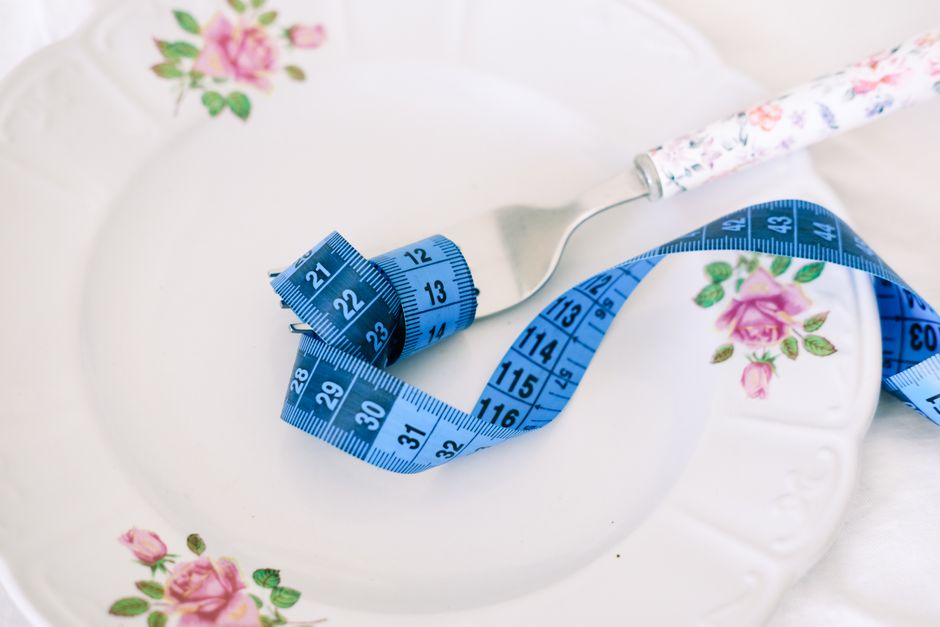
A safe 7 day weight loss detox homemade plan is a week of ordinary, balanced meals—not a juice-only cleanse—with vegetables, fruit, whole grains, protein foods, and water or other unsweetened drinks. No drink flushes toxins or selectively burns fat. Detox-related scale changes can reflect low calorie intake and temporary water shifts, while gradual weight loss is more likely to last.
What should I eat and drink each day on a homemade seven-day weight-loss detox?
Eat regular meals built from vegetables, fruit, grains, protein foods, and dairy or fortified soy alternatives, and choose water in place of sugary drinks. That is a practical food-based reset; it keeps meals intact while limiting added sugar, saturated fat, and sodium, in line with USDA MyPlate guidance.
The menu below is a flexible template, not a calorie prescription. Swap foods within a group to suit preference, access, and dietary needs. Use water with meals and between them; unsweetened tea can be a beverage choice, but it does not detox the body. The options emphasize whole foods and satisfying combinations instead of liquid meal replacements.
| Day | Breakfast | Lunch | Dinner | Snack option |
|---|---|---|---|---|
| 1 | Oatmeal with berries and plain yogurt | Bean and vegetable bowl with brown rice | Baked fish, potatoes, and greens | Apple with unsalted nuts |
| 2 | Eggs with whole-grain toast and tomato | Lentil soup with a side salad | Chicken, roasted vegetables, and quinoa | Carrot sticks with hummus |
| 3 | Plain yogurt with fruit and oats | Tuna or chickpea whole-grain wrap with vegetables | Tofu stir-fry with brown rice | Pear |
| 4 | Whole-grain toast with eggs and fruit | Leftover tofu and vegetables over grains | Bean chili with vegetables | Plain yogurt |
| 5 | Oatmeal with banana and nuts | Chicken or bean salad with whole-grain bread | Whole-wheat pasta with vegetables and beans | Bell pepper strips |
| 6 | Yogurt, fruit, and oats | Leftover chili with greens | Roasted chicken or tofu, sweet potato, and broccoli | Fruit and a small handful of unsalted nuts |
| 7 | Eggs or tofu with vegetables and toast | Vegetable and bean grain bowl | Fish, beans, or tofu with vegetables and rice | Fruit or raw vegetables |
For each meal, use a simple build: choose a protein food, add vegetables or fruit, and include a grain or other satisfying staple. NIDDK recommends fruit, vegetables, or a small handful of unsalted nuts as snack choices and recommends water instead of sugary soda, sports drinks, or fruit juice. Its guidance also says calorie needs vary and that eating below 1,200 calories a day is not advised; do not turn this sample menu into a severe restriction plan.
There is no reason to compensate for a missed workout or meal by fasting. A repeatable eating pattern is more useful than a short burst of restriction. If a medical condition or a prescribed diet affects what you eat, get individualized guidance before changing your routine.
What to drink in the morning to lose weight in 7 days?
Choose water in the morning if you are thirsty; it supports hydration, but no morning drink produces dependable weight loss by itself. Plain coffee or unsweetened tea may fit someone’s usual routine, but the provided research does not show that either drink makes fat loss happen in seven days.
The more useful swap is the one that removes a sugary drink without replacing it with a cleanse. NIDDK’s diabetes-prevention guidance recommends water instead of drinks with sugar, including soda, sports drinks, and fruit juice. That is a practical way to reduce reliance on sweet drinks without claiming that water burns fat.
Skip detox teas marketed for rapid results, especially products that work as laxatives. According to the National Center for Complementary and Integrative Health (NCCIH), laxatives used in some cleanses can cause diarrhea, dehydration, and malabsorption. A normal drink with breakfast is a safer routine than a product promising a cleanse.
What's the best drink to flush your system?
No drink has been shown in the provided sources to flush toxins from the body or selectively burn fat. NCCIH states that there is no compelling research supporting detox diets for eliminating toxins or managing weight. Water is a sensible choice for hydration, not a toxin-removal treatment.
That distinction matters because “flush” language can make a risky method sound harmless. NCCIH warns that fasting while drinking large amounts of water or herbal tea can lead to dangerous electrolyte imbalances, and that laxatives can trigger dehydration. A drink that causes diarrhea or substitutes for meals is not a safer version of balanced eating.
The scale can also move quickly for reasons that do not represent lasting fat loss. NCCIH says initial loss from juice or detox diets can result from low calorie intake and may return after normal eating resumes. The Centers for Disease Control and Prevention (CDC) says people who lose weight gradually—about one to two pounds per week, according to its current guidance—are more likely to keep it off than people losing faster. A single week’s scale reading is not a verdict on whether the plan worked.
How can I try to lose weight in 7 days at home without a liquid-only cleanse?
Use the week to establish a modest, repeatable routine: eat regular meals, choose mostly minimally processed foods, replace sugary drinks with water, and include movement, adequate sleep, and stress management. The CDC identifies all of these as parts of healthy weight loss; it does not present a seven-day cleanse as a shortcut.
A useful reality check: the CDC’s gradual pace is about one to two pounds per week, and this is a general benchmark, not a promised result for an individual. Detox programs may show a fast initial change because intake is low; NCCIH notes that weight may return after a person resumes a normal diet. The American Diabetes Association’s 2024 Standards of Care say very-low-calorie meal plans of 800–1,000 calories per day belong only with carefully selected people, trained practitioners, and close medical monitoring. That is not a do-it-yourself target.
Use this safety check before starting:
- Keep meals in the plan. Do not replace every meal with juice or tea. Build plates from food groups and include protein-rich choices.
- Do not use laxatives to change the scale. Diarrhea and dehydration can be consequences, not evidence of detoxification.
- Avoid fasting plus excessive fluids. NCCIH warns that this combination can create dangerous electrolyte imbalances.
- Account for health circumstances. NCCIH identifies greater risk from colon-cleansing procedures for people with kidney or heart disease, gastrointestinal disease, or a history of colon surgery. Pregnancy, breastfeeding, and other medical conditions call for professional guidance before restrictive changes.
- Stop if you feel unwell. End a cleanse that brings diarrhea, signs of dehydration, or severe fatigue, and seek medical advice for concerning symptoms.
For day eight, keep the useful parts and drop the deadline. Repeat meals you found practical, keep water as the routine drink, and choose fruit, vegetables, or unsalted nuts for a snack. Set a modest next-week goal around a habit—such as planning lunches or walking regularly—rather than trying to extend a cleanse. The CDC’s guidance favors gradual change because it is more likely to be maintained.
Frequently Asked Questions
What is the best home detox cleanse for weight loss?
There is no compelling evidence that detox diets eliminate toxins or support weight management, according to NCCIH. A safer home approach is balanced meals, water instead of sugary drinks, and sustainable habits rather than a cleanse.
How much of the weight lost in a week is likely to be water weight?
The provided sources do not give a reliable percentage for how much short-term loss is water weight. They do say initial losses on juice or detox diets can result from low calorie intake and may be regained when normal eating resumes.
Can I have coffee, snacks, or solid meals during a seven-day detox plan?
A balanced plan can include solid meals and snacks; it does not need to be liquid-only. NIDDK suggests fruit, vegetables, or a small handful of unsalted nuts for snacks, and the sources do not establish coffee as a detox treatment.
Who should avoid restrictive detox diets, and what symptoms mean I should stop?
People who are pregnant or breastfeeding, or have medical conditions, should consult a qualified health professional before restrictive eating; NCCIH specifically flags increased risks from colon cleansing for people with kidney, heart, or gastrointestinal disease or prior colon surgery. Stop a cleanse if it causes diarrhea, dehydration, severe fatigue, or other concerning symptoms, and seek medical help when needed.
Sources
- National Center for Complementary and Integrative Health (NCCIH)
- Centers for Disease Control and Prevention (CDC)
- American Diabetes Association, Standards of Care in Diabetes—2024
- National Institute of Diabetes and Digestive and Kidney Diseases (NIDDK)
- U.S. Department of Agriculture, MyPlate
Disclaimer: This article is for general information only and is not medical advice. It is not a substitute for diagnosis or treatment by a qualified healthcare professional. Always speak to your doctor before acting on anything you read here.
Related guides
What Is the 7 Day Weight Loss Cabbage Soup Plan?
The 7 day weight loss cabbage soup plan is restrictive and has no proven predictable fat-loss result.
What Is a Safe 7 Day Weight Loss Plan?
A safe 7 day weight loss plan favors sustainable habits; about 1–2 pounds weekly is a realistic pace for many adults.
Do Vitamins or Supplements Help Memory Loss?
Learn what evidence says about B12, vitamin D, vitamin E and omega-3s for memory, when evaluation or testing matters, and how to consider supplement safety.
How Should I Time Food and Medication With Levothyroxine?
A practical guide to timing levothyroxine, coffee, meals, calcium, iron, and antacids while managing weight realistically.