
What Is a Safe 7 Day Weight Loss Plan?
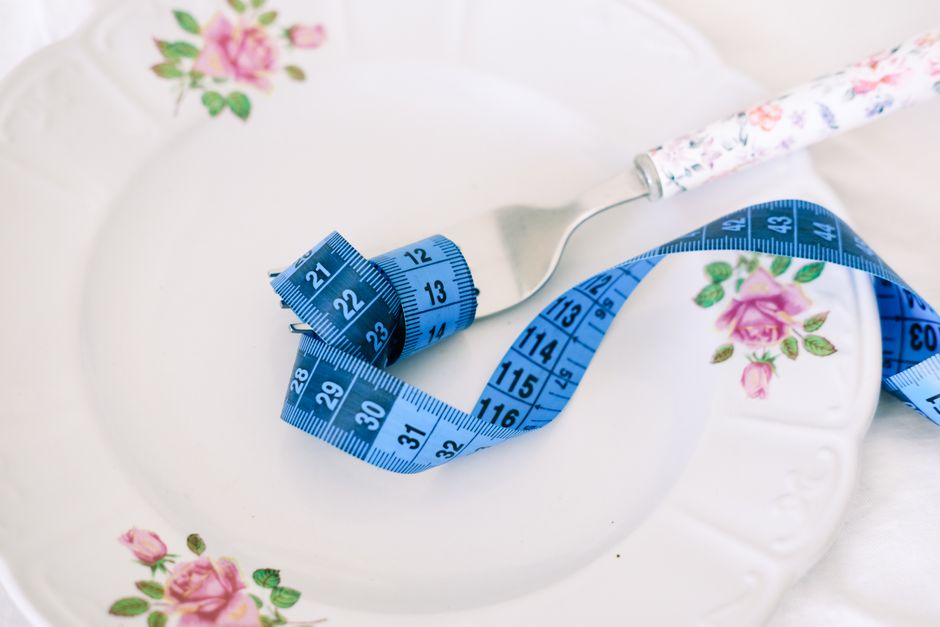
A safe 7 day weight loss plan focuses on repeatable habits, not extreme restriction. For many adults, about 1–2 pounds in a week is a realistic pace, according to CDC guidance; a larger early scale drop can reflect water and glycogen changes rather than equivalent fat loss. Build the week around balanced meals, manageable movement, enough sleep, and consistent tracking.
How can I lose weight in 7 days safely?
You can use a week to establish a manageable routine, but a safe plan is not a promise of dramatic fat loss. The CDC’s guidance is gradual: people who lose weight at about 1–2 pounds per week are more likely to keep it off than people who lose faster. That figure is a general pace, not a guaranteed result for an individual.
Keep the plan simple enough to repeat. The CDC identifies healthy eating patterns, regular physical activity, enough sleep, and stress management as parts of healthy weight loss. It also recommends specific, realistic goals and tracking nutrition, activity, sleep, and stress. A starter goal could be a 15-minute walk or choosing water instead of a sugary drink, examples given by the CDC.
For meals, NIDDK describes a sustainable pattern that includes vegetables, whole fruits, whole grains, dairy or fortified alternatives, protein foods such as beans, seafood, eggs, and lean meats, and unsaturated oils. This is a framework, not a seven-day prescription: choose combinations that fit your routine and can continue after the week ends. NIDDK’s central point is that the eating plan needs to be maintainable over time.
Make movement a repeatable appointment rather than a one-week test of willpower. NIDDK says adults should aim for at least 150 minutes of moderate-intensity aerobic activity weekly and muscle-strengthening activity on 2 or more days. These are general activity guidelines, not a requirement to complete a punishing workout schedule during a weight-loss week.
Use consistent weigh-ins to reduce noise: measure under similar conditions and pay attention to the pattern rather than changing the plan in response to one reading. Pair that record with a brief note about activity, meals, sleep, or stress. The point is to learn which routines are practical—not to treat every daily fluctuation as a verdict.
Can I lose 10 lbs in 7 days, and would it be fat or water?
A 10-pound scale drop in a week is not a realistic expectation for fat loss for most adults. The CDC’s gradual-loss guidance is about 1–2 pounds weekly; a much larger short-term change should not be interpreted as an equivalent amount of body fat lost.
Water and glycogen help explain why the scale can move quickly. A peer-reviewed study by Kreitzman, Coxon, and Szaz, indexed by PubMed, describes glycogen as stored with three to four parts water. When glycogen stores change, associated water can shift too, creating a scale change that does not equal the same change in fat. The study also explains that glycogen mobilization and later carbohydrate loading can produce apparent weight loss and regain.
That distinction matters when assessing a first-week result. A larger initial drop may be temporary, while a smaller change that comes from habits you can sustain may be more useful for long-term progress. The scale alone cannot tell you how much of a short-term change came from fat, water, glycogen, or digestive contents.
How much weight can I realistically lose in 7 days?
For many adults, roughly 1–2 pounds in a week is a realistic reference point based on CDC guidance, not a personal forecast. Starting weight, daily routines, and short-term water and glycogen shifts all affect what the scale shows. It is more useful to set a sustainable process goal for the week than to make success depend on a particular number.
| What the scale shows | How to interpret it | Practical response |
|---|---|---|
| A change near the gradual weekly pace | It is consistent with the CDC’s general guidance, but one week cannot establish a long-term trend. | Continue the habits and compare readings taken under similar conditions. |
| A much larger early drop | Water and glycogen changes can contribute; the scale does not identify the source of the change. | Avoid escalating restriction to chase the same result again. |
| Little change or a temporary increase | One reading does not show the full trend, especially when short-term fluid shifts are involved. | Keep recording consistently and review the pattern over time. |
There is a reason to value steady progress. The CDC notes that a 5% reduction for a 200-pound person equals 10 pounds and that even this modest loss can improve blood pressure, cholesterol, and blood sugar. That example describes a longer-term health context; it does not make a one-week target of 10 pounds appropriate.
For the first week, make the target the routine: choose meals built from the NIDDK food groups, schedule manageable movement, and keep brief records. At day seven, review which steps were easiest to repeat and carry those forward. Change one part of the routine at a time rather than alternating between severe restriction and overeating.
Will a 7 day fast make me lose weight?
A seven-day fast can cause the scale to fall, but that does not make it a safe or sustainable weight-loss plan. MedlinePlus says rapid-loss diets can reduce muscle, water, and bone density, and lists possible effects including gallstones, gout, fatigue, constipation, diarrhea, and nausea. It also says losing more than 1 or 2 pounds per week is not safe for most people.
MedlinePlus describes very-low-calorie diets that may provide as few as 800 calories a day and produce 3–5 pounds of loss per week, but these are intended for certain adults with obesity and should be followed with help from a health care provider. That clinical context is not a do-it-yourself template for a short fast. MedlinePlus also notes that information is limited on whether results from time-restricted eating are sustained.
The trade-off is straightforward: rapid restriction may produce a fast scale change, but it can also make the result misleading and the routine hard to maintain. A balanced eating pattern and regular activity offer a clearer path to habits that can continue beyond day seven. If a medical condition or treatment affects eating or activity, a health care professional can help determine what is appropriate.
Frequently Asked Questions
Why does the scale drop quickly during the first week of a diet?
Early scale changes can reflect shifts in glycogen and the water stored with it, as well as changes in digestive contents. A study indexed by PubMed describes glycogen as stored with three to four parts water, so a quick drop does not mean the same amount of body fat was lost.
What should I eat for a week to lose weight without extreme dieting?
Use a sustainable pattern built around vegetables, whole fruits, whole grains, dairy or fortified alternatives, protein foods, and unsaturated oils. NIDDK emphasizes choosing an eating plan that can be maintained over time, rather than relying on a rigid crash diet.
How do I keep the weight off after a 7-day plan?
Treat day seven as the start of the next week: continue the food and movement habits that fit daily life, and track weight regularly to see the trend. NIDDK also advises ongoing regular activity and healthy food choices for weight-loss maintenance.
Sources
- Centers for Disease Control and Prevention (CDC), Losing Weight
- National Institute of Diabetes and Digestive and Kidney Diseases (NIDDK), Eating & Physical Activity
- MedlinePlus Medical Encyclopedia, Weight loss and fad diets
- Kreitzman, Coxon, and Szaz, American Journal of Clinical Nutrition (PubMed)
Disclaimer: This article is for general information only and is not medical advice. It is not a substitute for diagnosis or treatment by a qualified healthcare professional. Always speak to your doctor before acting on anything you read here.
Related guides
What Is the 7 Day Weight Loss Cabbage Soup Plan?
The 7 day weight loss cabbage soup plan is restrictive and has no proven predictable fat-loss result.
What Is a 7 Day Weight Loss Detox Homemade Plan?
A safe 7 day homemade plan uses balanced meals and water, not restrictive cleanses or drinks claiming to flush toxins.
Do Vitamins or Supplements Help Memory Loss?
Learn what evidence says about B12, vitamin D, vitamin E and omega-3s for memory, when evaluation or testing matters, and how to consider supplement safety.

How Should I Time Food and Medication With Levothyroxine?
A practical guide to timing levothyroxine, coffee, meals, calcium, iron, and antacids while managing weight realistically.