
What Is Second Marriage Islamic Dream Interpretation?
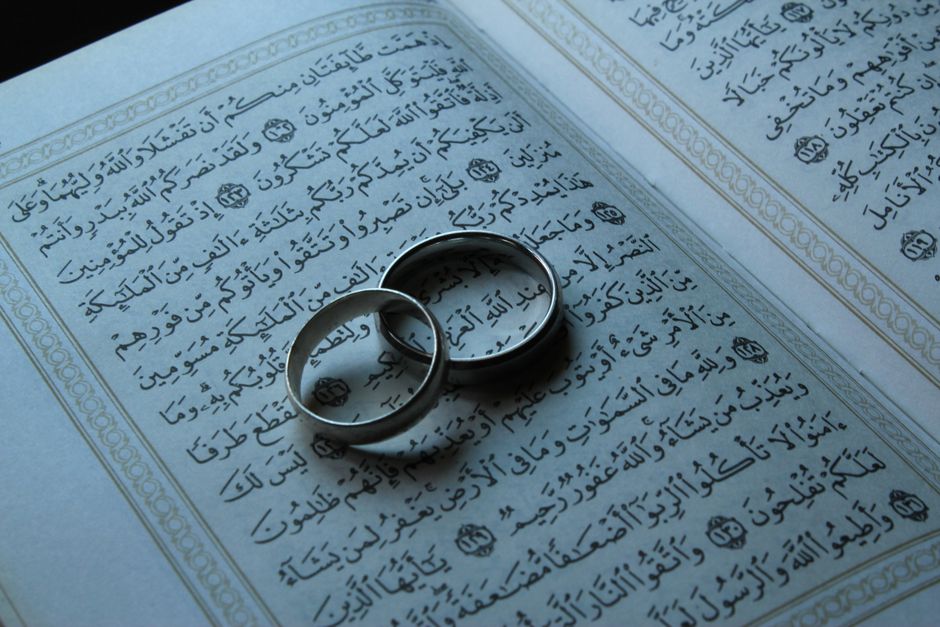
Second marriage Islamic dream interpretation has no fixed meaning in the Islamic sources cited here, and a dream that your husband marries another wife is not proof or a prediction. Sahih Muslim describes dreams as glad tidings, distressing dreams, or thoughts from one’s own mind; it does not assign a set meaning to wedding images. Treat a disturbing dream with the Sunnah guidance, not as evidence about your spouse.
What is the meaning of second marriage in a dream in Islam?
There is no fixed meaning for a second marriage in a dream established by the Islamic sources cited here. The first useful distinction is between what a hadith says about dreams generally and what a later interpreter claims a particular symbol means.
In Sahih Muslim, hadith 2263a, the Prophet describes three kinds of dreams: glad tidings, distressing dreams, and dreams arising from a person’s own thoughts. The report does not give a standard meaning for marriage, a second wife, a wedding ceremony, or any other specific image. That is the boundary: the classification is sourced; a confident symbol-by-symbol verdict is not.
Traditional dream dictionaries may attribute meanings to marriage imagery, but an attribution is not the same as a certain interpretation or a religious ruling. Islamweb’s discussion, “Dreams are glad tidings, not source for rulings,” recognizes that some people may have skill in interpretation while stressing that it is not universally available or certain. It also says future matters should not be based on dreams.
Use a simple source check when you encounter a claim: ask whether it comes from a hadith, or is a symbolic interpretation attributed to a particular interpreter. Then ask whether the source itself actually says that a second marriage means a particular outcome. If it does not, label the claim uncertain rather than treating it as Islamic fact.
What does it mean if I dream that my husband is marrying a second wife?
A dream of your husband marrying another wife does not, on its own, tell you what he intends or what will happen. The Islamic sources cited here classify dreams generally; they do not assign this scene a specific meaning.
Separate the dream’s image from real-world evidence. A recent worry, relationship stress, wedding imagery, or the emotion you felt may be part of the dream’s personal context. Sahih Muslim’s category of dreams arising from one’s own thoughts allows room for that possibility, but it does not make any one psychological explanation a religious interpretation.
That distinction gives you a practical response. If the dream left you upset, handle it first as a distressing dream using the Sunnah guidance below. If there is a separate concern in the marriage, address that concern through an ordinary, calm conversation based on real events—not by presenting the dream as proof. A useful opening is: “I had a disturbing dream and feel unsettled. I know it is not evidence, but I’d like to talk about a concern I have in our relationship.”
Does dreaming about my husband taking another wife mean it will happen?
No: the dream is not evidence that your husband will take another wife, and it cannot establish a future event. Islamweb states that future matters should not be based on dreams, and its guidance rejects deriving rulings from them.
A 2025 scholarly article by Or Amir in Islamic Law and Society discusses dreams in Sunni legal thought and describes a traditional classification that includes divine or angelic communication, dreams related to the dreamer’s condition or thoughts, and distressing dreams attributed to the devil. It also explains that Sunni jurists held dreams irrelevant as legal evidence. In practical terms, a dream cannot establish a spouse’s intentions or supply grounds for a ruling.
The same caution applies across different dream scenarios:
- A wife sees her husband marry: the cited sources do not give this image a fixed meaning or predictive force.
- A man dreams he takes a second wife: the sources do not establish that this signals increased responsibility, provision, or a real marriage.
- A married woman dreams she marries someone else: no specific conclusion about her character, wishes, or future follows from the dream alone.
- An unmarried person dreams of a second marriage: the dream does not guarantee marriage or predict its timing.
In every case, keep interpretation and evidence in separate lanes. Do not make accusations, test a spouse, or make a major marital decision because of a dream. If a real issue exists, discuss that issue directly and fairly.
How should you check a second-marriage dream interpretation?
Check the source before accepting the meaning. A claim repeated online can sound authoritative without being a hadith, a reliable scholarly conclusion, or a certain interpretation.
- Identify the kind of source. Is it a hadith report, a scholarly explanation, or a symbolic claim credited to a dream dictionary?
- Check what it actually supports. Sahih Muslim 2263a describes kinds of dreams, not the meaning of a second-wife image.
- Look for certainty claims. Islamweb cautions that interpretation is not certain or available to everyone, and says dreams are not a basis for future matters or religious rulings.
- Keep the conclusion proportionate. If a source does not verify a specific meaning, call it an uncertain traditional interpretation—not a prediction.
This method adds an important filter: you can acknowledge that symbolic interpretations exist without confusing them with the better-supported guidance about how to respond to dreams and what dreams can establish.
What should you do after a disturbing dream about your spouse?
Follow the reported Sunnah response, then leave the dream out of decisions about your spouse. Sahih Muslim, hadith 2261d, instructs someone who sees a disliked dream to seek refuge with Allah and lightly spit or blow to the left three times; it says the dream will not harm the person who follows this guidance.
Sahih Muslim 2263a also mentions rising to pray and not relating a distressing dream to people. These are practical religious responses to the dream, not techniques for decoding it. They shift attention away from treating the image as a forecast.
For a grounded next step, name the category before acting: “This was a dream, not evidence.” Then use the reported response. If a real relationship concern remains, raise it separately with a calm, specific statement about what you have observed or need. That keeps the conversation fair to both people and avoids turning an uncertain image into an accusation.
Frequently Asked Questions
What does it mean to dream of getting married when you're already married?
The sources cited here do not assign a fixed Islamic meaning to that image. Sahih Muslim includes dreams arising from a person’s own thoughts among three types of dreams, so the dream alone does not establish that a new marriage will happen.
If a man dreams of taking a second wife, is it a sign of more responsibility or provision?
The sources provided do not confirm that interpretation as a rule. A reader may encounter symbolic claims in dream dictionaries, but they should be treated as uncertain rather than as a prediction or religious evidence.
What should I do Islamically after a disturbing dream about my spouse?
Sahih Muslim instructs a person troubled by a dream to seek refuge with Allah and lightly spit or blow to the left three times. Another report recommends rising to pray and not relating the dream to people; do not use the dream as grounds for accusations or major marital decisions.
Sources
Related guides
What Are the Rules for a Second Marriage in Islam?
Islam permits up to four wives with a duty of justice, while contract terms and local law can change consent, notice, and registration requirements.
Second Marriage IslamQA: Does a Husband Need Permission?
A first wife's permission is generally not required in the cited religious rulings, but fairness, contract terms, and local law still matter.

Do You Need a License to Be a Chaplain?
Learn how chaplain licensure differs from professional certification, and how employer requirements vary across federal, VA, hospice, and other roles.
How Do Chaplains and Mental Health Professionals Work Together?
Learn how chaplains provide spiritual care alongside mental-health professionals, maintain boundaries, and refer clinical needs to licensed providers.