
Do I Need a Multivitamin Every Day?

Most healthy adults do not need a multivitamin every day to prevent heart disease or cancer; evidence for those benefits is insufficient. A multivitamin can help fill a specific nutrient gap, but the right choice depends on diet, life stage, health conditions, and medicines. Check the amounts on the label, count nutrients from other supplements and fortified foods, and review potential interactions with a health professional.
Do healthy adults need a multivitamin every day?
For generally healthy adults, a daily multivitamin is not an established way to prevent cardiovascular disease or cancer. The U.S. Preventive Services Task Force (USPSTF) says evidence is insufficient to assess the balance of benefits and harms for those outcomes in community-dwelling, nonpregnant adults. That is not proof that a multivitamin never helps; it means the evidence does not establish routine use for that purpose.
The USPSTF recommendation does not cover people with a known nutritional deficiency or special nutritional needs, or people who are pregnant or may become pregnant. Those situations call for a different question: which nutrient, if any, is missing, and what is an appropriate way to address it? A one-size-fits-all product cannot answer that for everyone.
The National Institutes of Health Office of Dietary Supplements (NIH ODS) reports that most studies find multivitamins have little or no effect on major health outcomes. They can increase nutrient intake when food alone does not provide enough, but can also raise the chance of excessive intake of nutrients such as iron, vitamin A, zinc, niacin, and folic acid. As NIH ODS puts it, “MVMs cannot take the place of eating a variety of foods that are important to a healthy diet.”
Should I take a multivitamin if I eat a balanced diet?
A balanced diet does not automatically rule a multivitamin in or out; the useful question is whether your actual eating pattern and circumstances leave a specific nutrient gap. NIH ODS notes that a multivitamin can help when food does not provide enough, while also cautioning that it may add nutrients you already get from foods or other products.
People who eat a restricted diet, follow a vegan diet, are older, or have a condition that affects nutrient absorption may have different needs. The available sources do not specify a universal multivitamin formula for these groups. The practical step is to identify the concern—such as a limited food choice or a diagnosed deficiency—and discuss whether testing, a targeted supplement, or a multivitamin is relevant.
That distinction matters. A targeted supplement addresses a known or plausible gap more directly; a multivitamin combines many nutrients, some of which may be unnecessary for a particular person. The USPSTF’s finding about preventing heart disease and cancer is not a verdict on supplementation for deficiency or special nutritional needs. Keep the purpose clear before comparing products.
What should I look for on a multivitamin label?
Start with the serving size, then inspect each nutrient’s amount and % Daily Value. NIH ODS explains that there is no standard multivitamin formula: manufacturers choose which nutrients and amounts to include. The % Daily Value shows how much a serving contributes toward the DV, which is often—but not always—similar to the recommended dietary allowance or adequate intake for a particular age and sex.
Use the label as a comparison tool, not a quality score. A high % Daily Value does not by itself mean a product is a better match. Check whether the formula contains nutrients you are targeting, and look for nutrients you might already receive from another supplement or fortified foods. NIH ODS warns that combining sources can contribute to excessive intake; taking several products also increases the chance of side effects.
The Supplement Facts label lists active ingredients, amounts per serving, and other ingredients, and the serving size is the manufacturer’s suggestion. Record the product name and serving size, then compare the relevant nutrient lines across products. If you cannot tell whether a dose fits your circumstances, ask a health professional or pharmacist to review the label with you. The sources provided here do not establish a specific third-party testing mark or a single testing program that guarantees a product’s suitability, so do not treat a quality seal as proof that the formula is right for you.
| Label check | What to examine | Why it matters |
|---|---|---|
| Serving size | How many tablets or capsules make one serving | All listed amounts correspond to that serving. |
| Nutrient amounts | Amount and % Daily Value for each nutrient | Formulas differ, and %DV is not always identical to an age- and sex-specific RDA or AI. |
| Other sources | Separate supplements and fortified foods | Totals can rise when products overlap. |
| Iron and calcium | Whether either is included in the formula | They can matter for both individual need and medication absorption. |
Frequently Asked Questions
Can a multivitamin interact with prescription medications?
Yes. Vitamin K can reduce warfarin’s effectiveness, while calcium or iron can interfere with the absorption of some medicines. Tell your doctor and pharmacist about every supplement you take, and ask them to review timing and interactions.
Is it safe to take a multivitamin with separate vitamin D or other supplements?
It depends on the combined amounts and your circumstances. A multivitamin may already contain vitamin D or other nutrients, and fortified foods can add more; combining products can raise the risk of excessive intake. Compare labels and review the full list with a health professional.
Should men choose a multivitamin without iron?
Many products marketed for men and seniors contain less or no iron, but the appropriate amount depends on individual needs. Iron deficiency is assessed using clinical measures, not by assumptions based on a product category. Discuss suspected deficiency or iron supplementation with a health professional.
Before you decide: check the interaction list
Vitamin K deserves special attention if you take warfarin: NIH ODS says it can reduce the medicine’s effectiveness, so consult your health care provider before using a vitamin K-containing supplement. The NIH ODS also advises telling your doctor, pharmacist, and other health care providers about all supplements and medicines you take. Bring the product label or a complete list; that gives them something concrete to check.
Calcium and iron are also worth flagging. NIH ODS says calcium can interfere with levothyroxine absorption when calcium carbonate is taken within four hours of it, and can affect absorption of quinolone antibiotics and dolutegravir. The guidance for those medicines specifies separating dolutegravir from calcium by two hours before or six hours after, and quinolone antibiotics by two hours before or after. Iron can reduce absorption of levodopa and levothyroxine; some levothyroxine product labels advise against taking it within four hours of iron supplements. Calcium may also interfere with iron absorption, so experts suggest taking separate calcium and iron supplements at different times.
These details are a reason to get a medication-specific review, not to improvise a schedule. For a useful check this week, put your multivitamin, separate supplements, fortified products, and medicines on one list. Ask a pharmacist or clinician to identify overlaps and interactions, then decide whether a broad multivitamin or a more targeted approach fits the reason you are considering it.
Sources
- National Institutes of Health, Office of Dietary Supplements — Multivitamin/mineral Supplements: Consumer Fact Sheet
- U.S. Preventive Services Task Force — Vitamin, Mineral, and Multivitamin Supplementation to Prevent Cardiovascular Disease and Cancer
- National Institutes of Health, Office of Dietary Supplements — Dietary Supplements: What You Need to Know
- National Institutes of Health, Office of Dietary Supplements — Calcium: Consumer Fact Sheet
- National Institutes of Health, Office of Dietary Supplements — Iron: Health Professional Fact Sheet
Disclaimer: This article is for general information only and is not medical advice. It is not a substitute for diagnosis or treatment by a qualified healthcare professional. Always speak to your doctor before acting on anything you read here.
Related guides

How Should I Time Food and Medication With Levothyroxine?
A practical guide to timing levothyroxine, coffee, meals, calcium, iron, and antacids while managing weight realistically.

Is Drinking Coffee Before Breakfast Bad for You?
Coffee before breakfast is not automatically harmful. Learn what evidence says about digestion, jitters, appetite, blood sugar, and practical routine changes.

Can a Nutrient Deficiency Cause Brain Fog or Memory Problems?
Learn how B12, iron, and other nutrients relate to brain fog, what a clinician may assess, and why supplements without a diagnosed deficiency may not help.
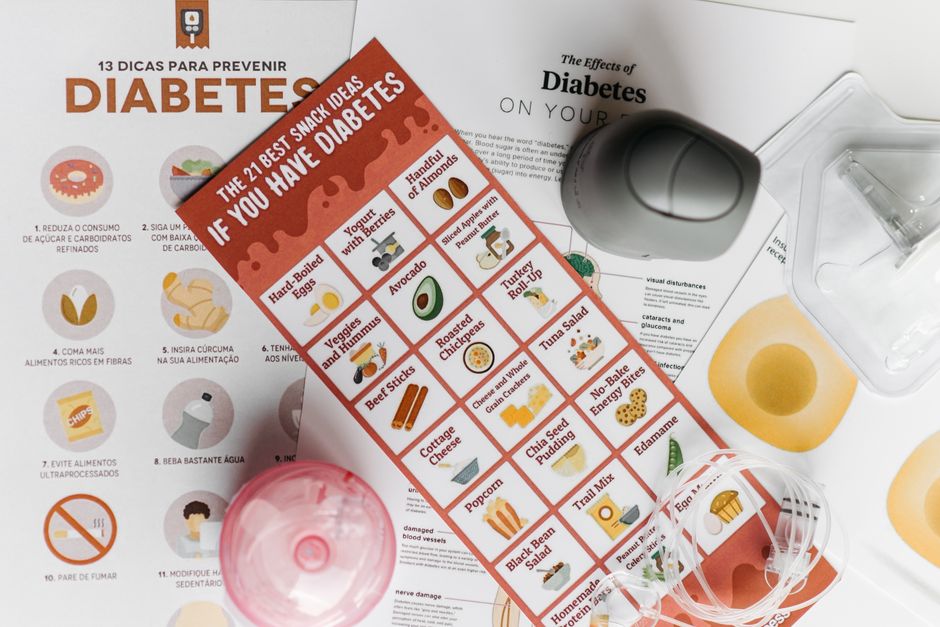
What Snacks Are Good for Diabetes and What Treats Low Blood Sugar?
A practical guide to everyday diabetes snacks, label reading, and fast-acting carbohydrate options for low blood sugar.