
Can a Nutrient Deficiency Cause Brain Fog or Memory Problems?

Yes. A deficiency—especially vitamin B12 or iron deficiency anemia—can contribute to memory, concentration, or other neurological problems, but brain fog has many possible causes. A clinician can assess your symptoms and decide whether tests such as B12, blood counts, or ferritin are appropriate. Taking supplements without evidence of a deficiency may not improve cognition and can carry risks.
Can low vitamin B12 cause memory problems or brain fog?
Yes. Vitamin B12 deficiency can cause neurological changes, including memory problems, and these symptoms can occur even when anemia is absent. That matters because a normal-looking blood count does not, by itself, rule out a B12-related neurological problem.
The NIH Office of Dietary Supplements says clinicians commonly assess B12 using a serum or plasma test. Results below roughly 200–250 pg/mL are generally considered subnormal, but laboratory thresholds vary. If a result sits near the borderline, methylmalonic acid (MMA) may help clarify the picture; kidney impairment and older age can also raise MMA, so that result needs clinical interpretation.
Use the test as a starting point, not a self-diagnosis. Bring a clear description of the change—when it began, whether it is worsening, and what daily tasks are harder—to a clinician. The NIH emphasizes that neurological symptoms can occur without anemia, making timely assessment important.
Which nutrient deficiencies can affect concentration and memory?
Vitamin B12 and iron deficiency anemia have the clearest relevance among the nutrients covered here, but they are not the only possible explanations for cognitive symptoms. The National Institute on Aging lists low nutrient levels such as B12 alongside medication side effects, thyroid, kidney, or liver problems, depression or anxiety, substance use, and sleep problems.
Iron-deficiency anemia may cause weakness, fatigue, difficulty concentrating, and impaired cognitive function, according to the NIH Office of Dietary Supplements. Those symptoms are not specific to iron, and iron deficiency can occur alongside other nutrient deficiencies. Clinicians may consider hemoglobin and ferritin together; ferritin is a useful measure of iron stores, though inflammation can raise it and complicate interpretation.
Vitamin D is a different case: evidence does not establish it as a reliable memory enhancer. A systematic review by Beauchet and colleagues examined 20 randomized controlled trials in adults. Results were mixed—some trials were positive, others negative or mixed—and the authors concluded that the review did not support vitamin D supplementation to enhance cognition.
The practical distinction is this: identifying and treating an actual deficiency is different from taking a nutrient in hopes of sharpening memory when no deficiency has been established. The evidence for correcting a deficiency should not be stretched into a general promise that supplements improve cognition in everyone.
Should I take vitamins for brain fog before getting blood tests?
Do not treat supplement advertising as a diagnosis. Persistent brain fog can have several causes, and a clinician can match the assessment to your symptoms, health history, medications, and diet rather than assume a vitamin is responsible.
At an appointment, you can say: “I’ve noticed a change in my concentration or memory since [time]. What causes should we consider, and would tests for B12 or iron make sense?” If symptoms are ongoing, add what they disrupt and whether they are getting worse. Depending on the situation, the clinician may consider other causes as well.
There is a safety reason to pause before self-starting high-dose products. The NIH sets the adult upper intake level for iron at 45 mg per day; excess iron can cause gastrointestinal effects and, in extreme cases, serious harm. That limit is not a target dose or a substitute for individualized medical advice. Share the labels of supplements you already use, including combination products, so the clinician can assess what is in them.
Evidence also argues against buying a “brain booster” simply because memory feels off. The National Institute on Aging cautions against unproven over-the-counter products claiming to sharpen the brain or prevent dementia. The U.S. Preventive Services Task Force notes that evaluation of symptoms noticed by a patient, family member, or clinician is different from routine screening of adults without recognized symptoms. When a screening result is positive, further assessment may include blood tests, imaging, or medical and neuropsychological evaluation.
Frequently Asked Questions
Can vitamin supplements improve memory if I am not deficient?
Evidence does not show a reliable memory benefit from supplements in people without an identified deficiency. NIH reports little to no cognitive benefit from B vitamins in older adults, and a systematic review did not support vitamin D supplementation to enhance cognition in adults.
What should I ask my doctor to check if I have persistent brain fog?
Describe when the symptoms began, how they affect daily life, and any medications or supplements you use. Ask whether your history and examination point to tests such as vitamin B12, a blood count, or ferritin, and whether other causes—such as thyroid, kidney, liver, sleep, mood, or substance-related problems—need consideration.
When should memory problems be assessed by a healthcare professional?
Talk with a healthcare professional about noticeable changes, especially if they persist for a few weeks or interfere with everyday tasks. Repeated questions, getting lost in familiar places, trouble following directions, or increasing confusion are examples the National Institute on Aging identifies as concerning.
Sources
- NIH Office of Dietary Supplements — Vitamin B12 Fact Sheet for Health Professionals
- NIH Office of Dietary Supplements — Iron Fact Sheet for Health Professionals
- National Institute on Aging — Memory Problems, Forgetfulness, and Aging
- Beauchet et al. — Vitamin D Supplementation and Cognition in Adults: A Systematic Review of Randomized Controlled Trials
- U.S. Preventive Services Task Force — Cognitive Impairment in Older Adults: Screening
Disclaimer: This article is for general information only and is not medical advice. It is not a substitute for diagnosis or treatment by a qualified healthcare professional. Always speak to your doctor before acting on anything you read here.
Related guides

How Should I Time Food and Medication With Levothyroxine?
A practical guide to timing levothyroxine, coffee, meals, calcium, iron, and antacids while managing weight realistically.

Is Drinking Coffee Before Breakfast Bad for You?
Coffee before breakfast is not automatically harmful. Learn what evidence says about digestion, jitters, appetite, blood sugar, and practical routine changes.

Do I Need a Multivitamin Every Day?
Learn when a daily multivitamin may help, how to read its label, and which medication and supplement interactions to check.
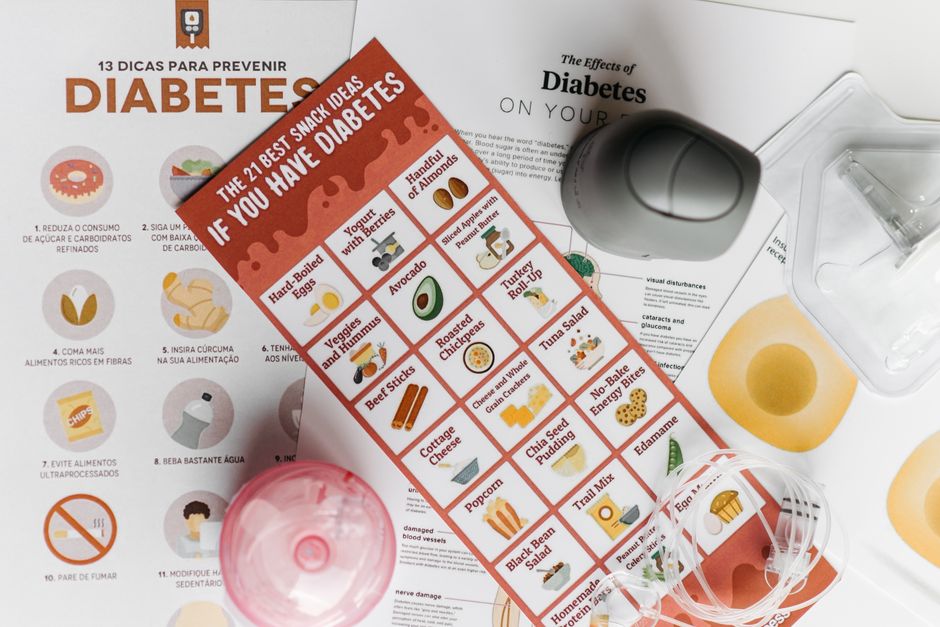
What Snacks Are Good for Diabetes and What Treats Low Blood Sugar?
A practical guide to everyday diabetes snacks, label reading, and fast-acting carbohydrate options for low blood sugar.